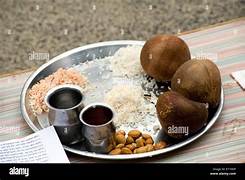
Gola
Gola (sugar candy) is used in puja samagri as an offering and prasad, symbolizing sweetness, purity, and auspicious beginnings.
₹60
63 items available.
Gola (sugar candy) is used in puja samagri as an offering and prasad, symbolizing sweetness, purity, and auspicious beginnings.
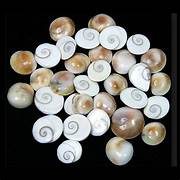
Gomti chakra is used in Diwali puja as a sacred symbol of protection, prosperity, and the blessings of Goddess Lakshmi.
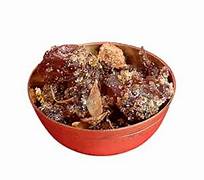
Guggal (guggul resin) is used in puja and hawan samagri as a fragrant offering to purify the atmosphere and invoke divine energies during rituals.
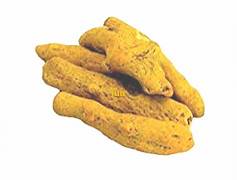
Haldi gath (whole turmeric piece) is used in puja and vivah samagri as a sacred symbol of purity, protection, and auspicious beginnings.
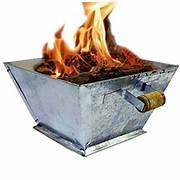
Hawan kund is a sacred fire altar used in hawan rituals where samagri is offered into the fire, symbolising purification, transformation, and divine connection.
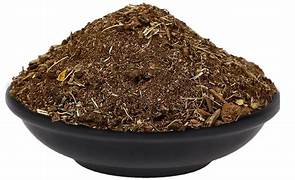
Hawan samagri is a sacred mixture of herbs, roots, and natural ingredients offered into the fire during hawan puja to purify the environment and invoke divine blessings.
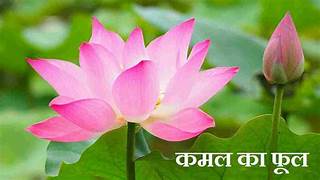
Kamal ka phool (lotus flower) is offered in puja samagri, especially during Lakshmi puja, symbolizing purity, prosperity, and divine grace.
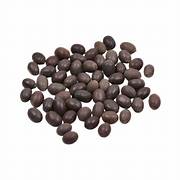
Kamalgatta (lotus seeds) are used in puja samagri, especially Lakshmi puja, to attract wealth, prosperity, and good fortune.
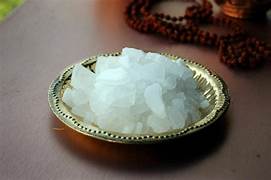
Kapur (camphor) is used in puja and aarti to purify the environment and symbolize the complete surrender of the self to the divine.
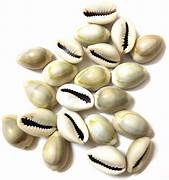
Kaudi (cowrie shells) are used in Diwali puja as symbols of wealth and prosperity, traditionally associated with Goddess Lakshmi.
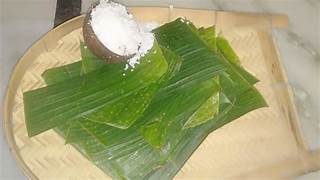
Kele ke patte (banana leaves) are used in Satyanarayan puja to place prasad and offerings, symbolizing purity, auspiciousness, and respect for sacred rituals.
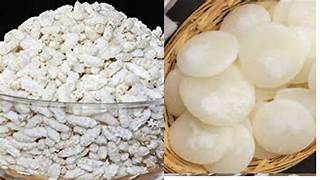
Kheel (puffed rice) is used in vivah samagri as a sacred offering in marriage rituals, symbolizing prosperity, purity, and the couple’s prayers for abundance and harmony.