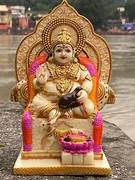
Kuber Pratima
Kuber pratima is worshipped during Diwali puja to invoke Lord Kuber’s blessings for wealth, financial stability, and prosperity.
₹200
63 items available.
Kuber pratima is worshipped during Diwali puja to invoke Lord Kuber’s blessings for wealth, financial stability, and prosperity.
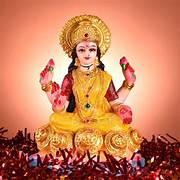
Lakshmi pratima is worshipped during Diwali puja to invoke Goddess Lakshmi’s blessings for wealth, prosperity, happiness, and abundance in the home.
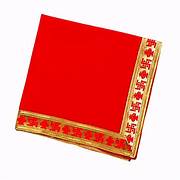
Lal patka (red cloth) is used in puja samagri to place or wrap offerings and idols, symbolizing power, devotion, and auspicious energy.
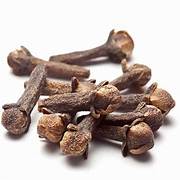
Laung (clove) is used in puja samagri as an aromatic offering, symbolizing purity, positivity, and the removal of negative energies.
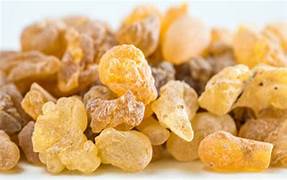
Loban (benzoin resin) is used in puja and hawan samagri as an aromatic offering to cleanse negative energies and create a sacred, peaceful environment.
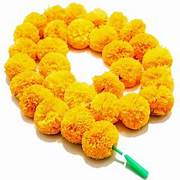
Mala is a sacred prayer bead string used in puja samagri for chanting mantras and meditation, symbolizing focus, devotion, and spiritual discipline.
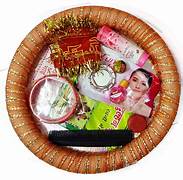
Mata Rani shringhar set is used in puja samagri to adorn the Goddess, symbolizing devotion, respect, and the offering of beauty to the divine.
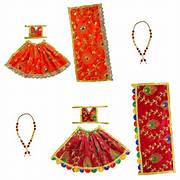
Mata Rani vastra is offered during puja to clothe the Goddess, symbolizing devotion, reverence, and the seeking of her blessings.
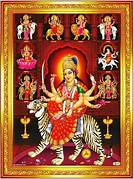
Mata Rani ki pratima is worshipped during Navdurga puja to invoke the nine forms of Goddess Durga for strength, protection, and divine blessings.
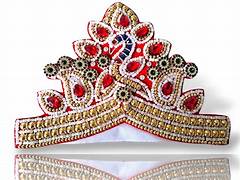
Maudi mukut is a traditional ceremonial crown used in vivah samagri to adorn the bride or groom, symbolizing honor, auspiciousness, and sacred commitment.
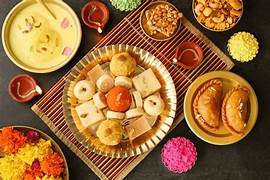
Mithai (sweets) are offered in puja samagri as prasad, symbolizing gratitude, celebration, and the sharing of divine blessings.
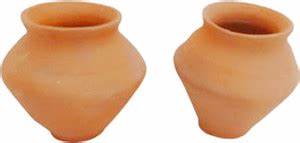
Mitti kalash is used in grih pravesh rituals as a sacred earthen pot symbolizing stability, purity, and the welcoming of prosperity and positive energy into the new home.