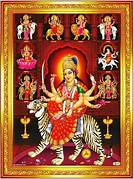
Mata Rani ki Pratima
Mata Rani ki pratima is worshipped during Navdurga puja to invoke the nine forms of Goddess Durga for strength, protection, and divine blessings.
₹100
51 items available.
Mata Rani ki pratima is worshipped during Navdurga puja to invoke the nine forms of Goddess Durga for strength, protection, and divine blessings.
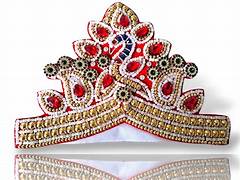
Maudi mukut is a traditional ceremonial crown used in vivah samagri to adorn the bride or groom, symbolizing honor, auspiciousness, and sacred commitment.
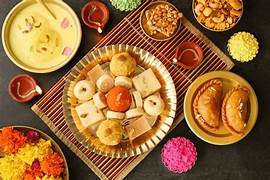
Mithai (sweets) are offered in puja samagri as prasad, symbolizing gratitude, celebration, and the sharing of divine blessings.
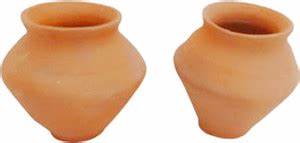
Mitti kalash is used in grih pravesh rituals as a sacred earthen pot symbolizing stability, purity, and the welcoming of prosperity and positive energy into the new home.
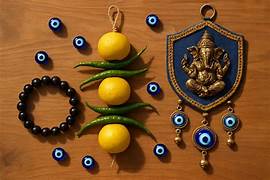
Nazarbattu is used in puja and grih pravesh samagri as a protective symbol to ward off the evil eye and safeguard positive energy.
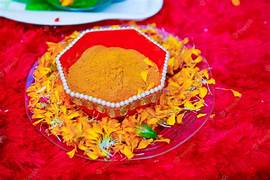
Pisi haldi (ground turmeric) is used in puja and vivah samagri to apply tilak and for rituals, symbolizing purity, protection, and auspiciousness.
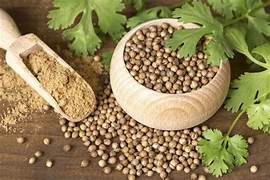
Sabut dhaniya (whole coriander seeds) are used in puja samagri as a sacred offering, symbolizing abundance, prosperity, and fulfillment of desires.
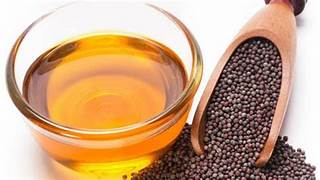
Sarson ka tel (mustard oil) is used in puja samagri for lighting diyas and rituals, symbolizing protection, purification, and the removal of negative energies.
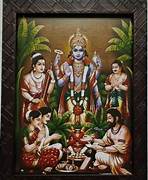
Satyanarayan pratima is worshipped in Satyanarayan puja to seek Lord Vishnu’s blessings for truth, prosperity, peace, and fulfillment of vows.
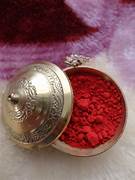
Sindoor is used in vivah and puja samagri as a sacred symbol of marital status, prosperity, and long life of the husband.
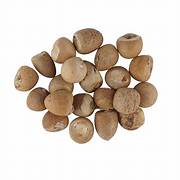
Supari (betel nut) is used in puja samagri as a traditional offering, symbolizing sincerity, commitment, and the fulfillment of sacred rituals.
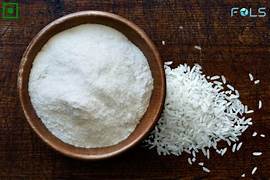
Chawal (rice grains) are used in puja samagri as an offering and in tilak rituals, symbolizing prosperity, purity, and abundance.