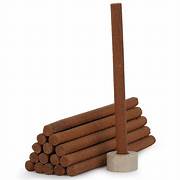
dhup
Dhup is a fragrant incense used in puja samagri to purify the surroundings and create a spiritually uplifting atmosphere during worship.
₹20
63 items available.
Dhup is a fragrant incense used in puja samagri to purify the surroundings and create a spiritually uplifting atmosphere during worship.
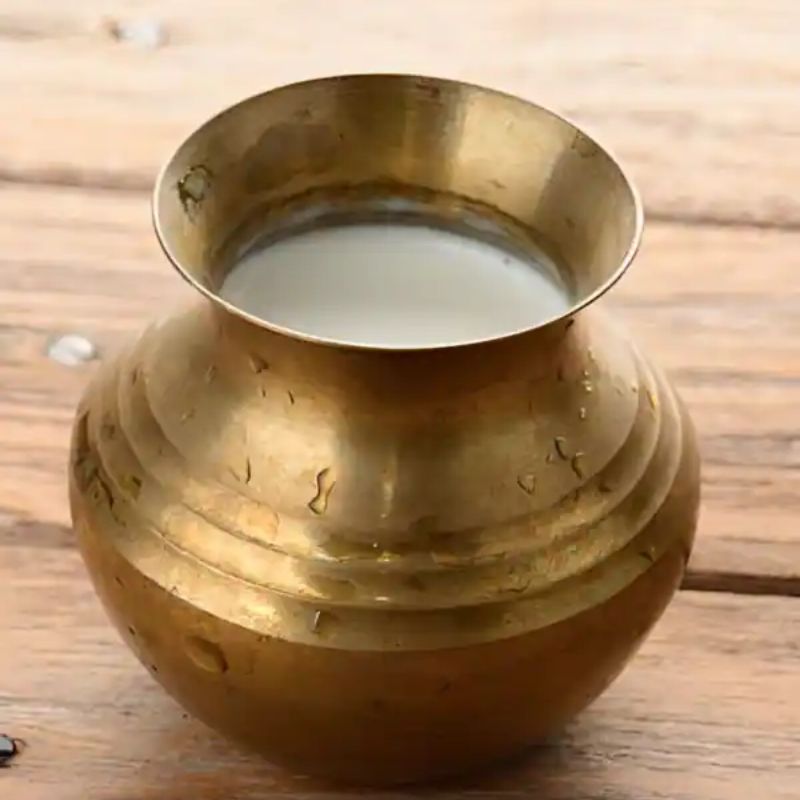
Dudh (milk) is used in puja samagri for abhishek and offerings, symbolizing purity, nourishment, and divine sanctity.
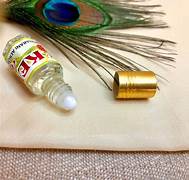
Ittar is a natural fragrance used in puja samagri to offer a pleasant aroma to the deity, symbolizing purity, devotion, and spiritual bliss.
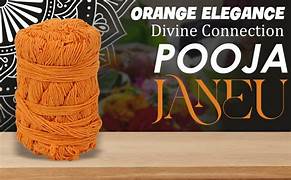
Janeu (sacred thread) is used in puja samagri to signify purity, discipline, and adherence to spiritual duties during rituals.
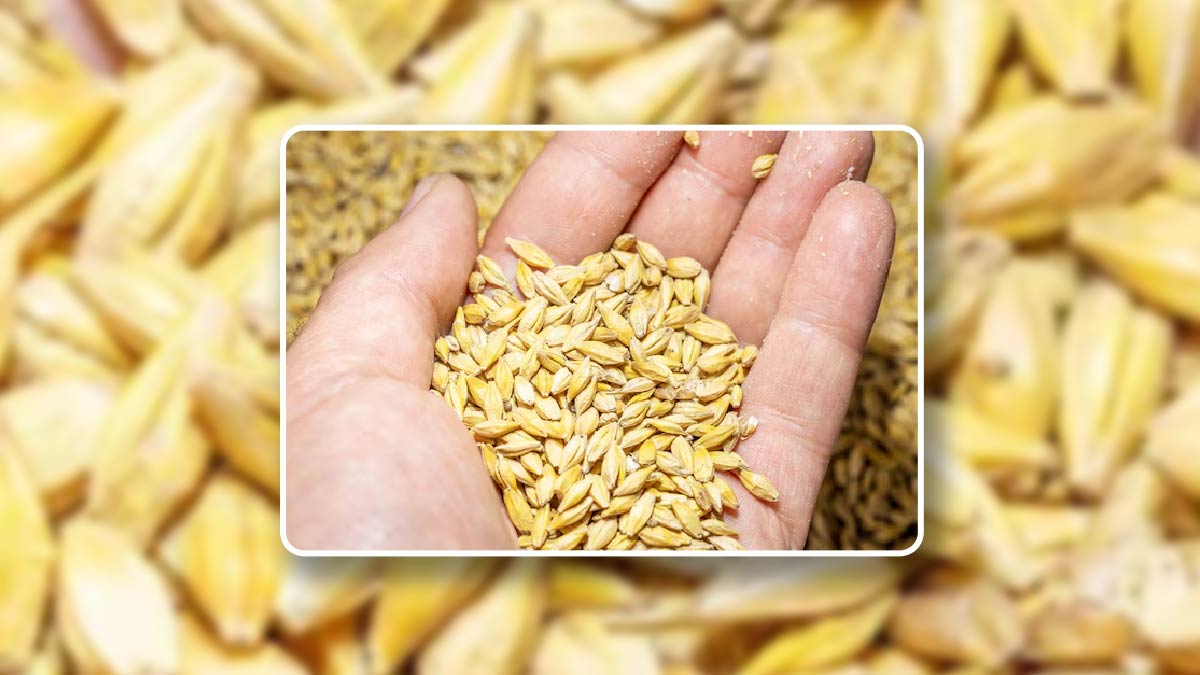
Jau (barley) is used in puja and hawan samagri as a sacred offering, symbolizing nourishment, prosperity, and spiritual purity in fire rituals.
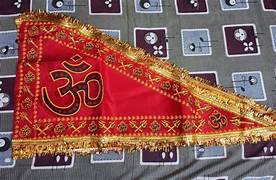
Jhanda is used in puja samagri as a sacred flag hoisted at temples or ritual sites, symbolizing faith, victory of dharma, and divine protection.
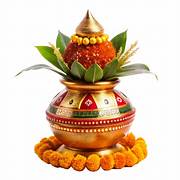
Kalash is a sacred vessel used in puja samagri filled with water and auspicious items, symbolizing abundance, purity, and divine presence.
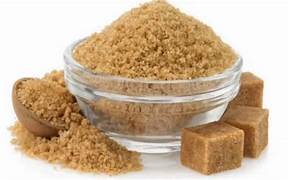
Khaand (unrefined sugar) is used in puja and hawan samagri as a sacred offering, symbolizing sweetness, positivity, and the fulfillment of prayers.
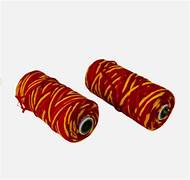
Moli is a sacred red–yellow thread used in puja samagri to tie around the wrist or idols, symbolizing protection, faith, and a sacred bond.
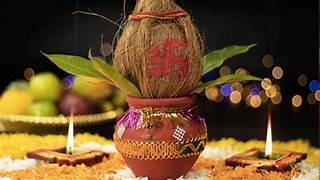
Nariyal (coconut) is offered in puja samagri as a symbol of purity, self-sacrifice, and the breaking of ego before the divine.
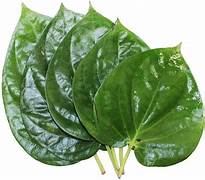
Paan patte (betel leaves) are used in puja samagri as a sacred offering, symbolizing respect, hospitality, and auspiciousness in rituals.
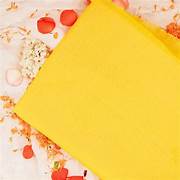
Pila vastra (yellow cloth) is used in puja samagri to adorn deities or offerings, symbolizing auspiciousness, wisdom, and spiritual prosperity.